
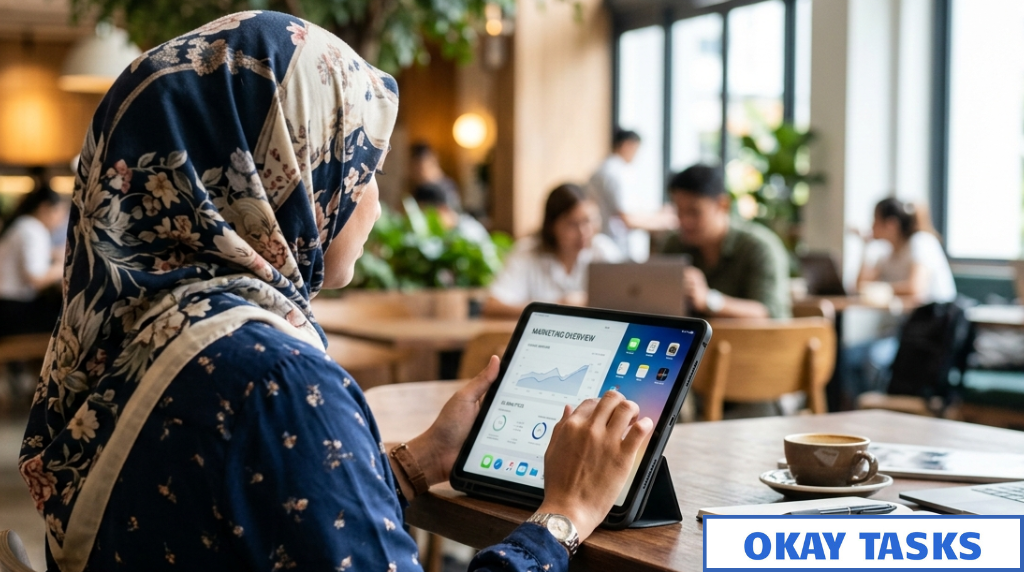
In the past, utilities only meant physical infrastructure like electricity, water, and gas. They operate quietly in the background and work perfectly until something goes wrong. Today, a major shift is happening in big cities.
Seamless, on-demand local services like instant grocery delivery, shared scooters, and home repairs, are changing from luxury perks into essential everyday utilities.
The main reason for this change is that these services remove all the effort and planning from our lives. Traditional shopping takes time, coordination, and energy.
Modern local apps use smart technology to handle the complicated logistics of delivering a service right to your doorstep. When a platform perfectly coordinates workers, travel routes, and inventory, people stop seeing it as just another app and start relying on it as basic infrastructure.
This evolution from a novelty application to a foundational utility relies heavily on complex software ecosystems. Modern urban environments depend on real-time data orchestration to maintain equilibrium.
According to research on smart city logistics and hyper-local delivery networks, the integration of predictive artificial intelligence and localized fulfillment hubs has drastically altered consumption patterns.
The Transformation of Urban Interdependence
By anticipating demand before it explicitly occurs, these platforms reduce transit latency to near-zero. The infrastructure is no longer just about moving physical goods; it is about data predictability. When an algorithm can accurately dispatch a courier or service provider before a supply bottleneck forms, the network achieves the same uninterrupted stability expected of an electrical grid.
As these platforms integrate into the daily rhythm of smart cities, their demand curves explicitly mirror traditional power grids. They are expected to be instantly available, structurally consistent, and infinitely scalable.
The societal reliance on these platforms has fundamentally altered real estate and city planning. For instance, urban studies highlight how the 15-minute city framework relies entirely on decentralized, on-demand networks to fulfill daily human needs without the use of heavy personal transport.
The Non-Negotiable Integration for Local Businesses
For local merchants, integrating into this frictionless infrastructure is no longer optional. Just as a commercial business cannot operate without electricity or running water, modern local commerce cannot survive without plugging into the decentralized, on-demand networks that consumers now rely on to power their daily lives.
When consumers view instantaneous service delivery as a baseline right rather than a premium upgrade, any business operating outside of this ecosystem becomes effectively invisible. The on-demand network has become the modern highway system—if your business is not connected to it, the economic traffic will simply bypass you entirely.
Say Okay to Every Cleaning Task
Okay Tasks is the premier solution for residential and commercial cleaning in Malaysia. Whether it’s a last-minute on-demand request or a scheduled deep clean, the app connects you with verified vendors to ensure your space shines with professional excellence.