
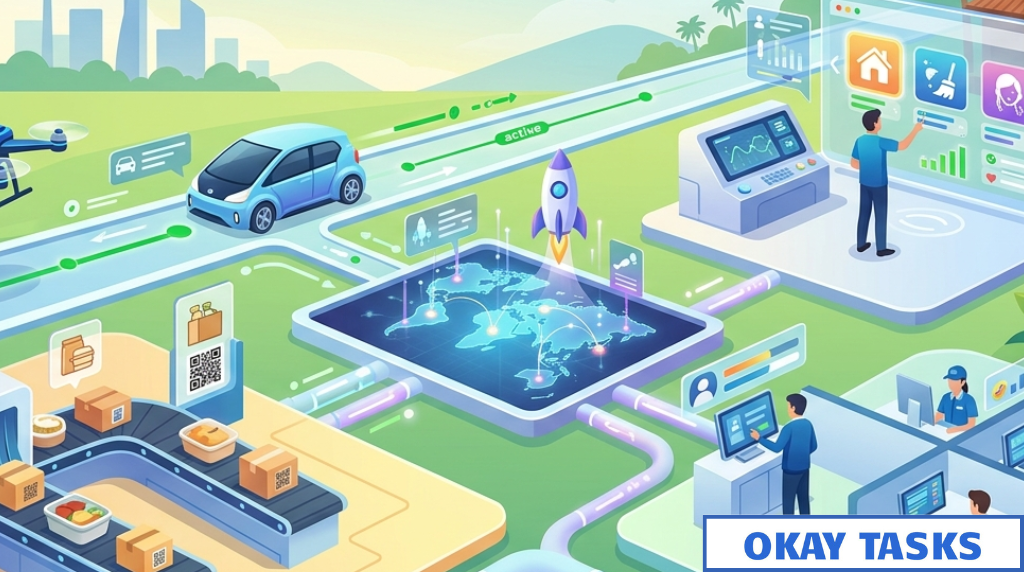
Malaysia’s digital economy is accelerating rapidly, with recent initiatives driving the country toward becoming a high-growth, technology-producing nation. Yet, while high-value sectors like AI-driven data centers dominate national headlines, a critical sector touching the daily lives of millions of Malaysians remains tethered to the past: the on-demand local services market.
From home cleaning and air-conditioning maintenance to emergency plumbing, Malaysia’s local services industry is projected to grow by over $4.4 billion through 2030. However, capitalizing on this growth requires moving beyond fragmented Facebook groups, WhatsApp negotiation loops, and cash-in-hand transactions. Modernizing this ecosystem is now an economic imperative.
1. Eliminating the Friction in “Predictive Matching”
The traditional way of booking home care involves significant friction. Consumers routinely face unvetted workers, unpredictable dynamic pricing, and ghosting. Modernization means integrating predictive matching technology driven by artificial intelligence.
Advanced platforms are utilizing data analytics to automatically pair nearby service providers with consumers based on past booking histories, specific skill sets, and real-time geographic data. According to recent industry reports by Research and Markets, shifting from manual dispatching to smart matching improves logistical asset allocation by up to 15%, slashing the time urban professionals waste trying to secure basic help.
2. Formalizing the Gig Economy for Provider Security
For Malaysia to truly reach its goals under the Malaysia Digital Economy Corporation (MDEC) master plan, the nation must bridge the digital maturity gap among local workers. The informal domestic service workforce frequently lacks income stability, transparent payment tracking, and professional development.
Modernizing this space introduces robust data architecture that protects both sides of the transaction. Digital matching platforms provide independent workers with transparent earnings statements, micro-training modules, and predictable demand pipelines. Concurrently, integrating secure digital payments reduces transaction drop-off rates by 15%, establishing a financial paper trail that enables gig workers to qualify for bank loans and formal government housing schemes.
3. Standardizing Trust and Safety
In an asset-light, network-effect business model, trust is the ultimate commercial moat. Leaving service verification up to informal review chains puts customer safety at risk. Comprehensive digital ecosystems modernize this by embedding strict, standardized security layers:
- Background Check Integration: Cross-referencing provider profiles with municipal regulatory standards.
- Real-Time Tracking: Providing live maps that reduce customer support inquiry volume by over 25%.
- Escrowed Payments: Keeping funds safe until both parties confirm job satisfaction.
As urban centers like the Klang Valley, Penang, and Johor Bahru face rapid density escalation and fast-paced lifestyles, modern household management demands seamless digital utility. By aggressively modernizing the local services market, forward-thinking tech platforms aren’t just making home care easier; they are upgrading the foundational economic framework for thousands of domestic workers nationwide.
Say Okay to Every Cleaning Task
Okay Tasks is the premier solution for residential and commercial cleaning in Malaysia. Whether it’s a last-minute on-demand request or a scheduled deep clean, the app connects you with verified vendors to ensure your space shines with professional excellence.